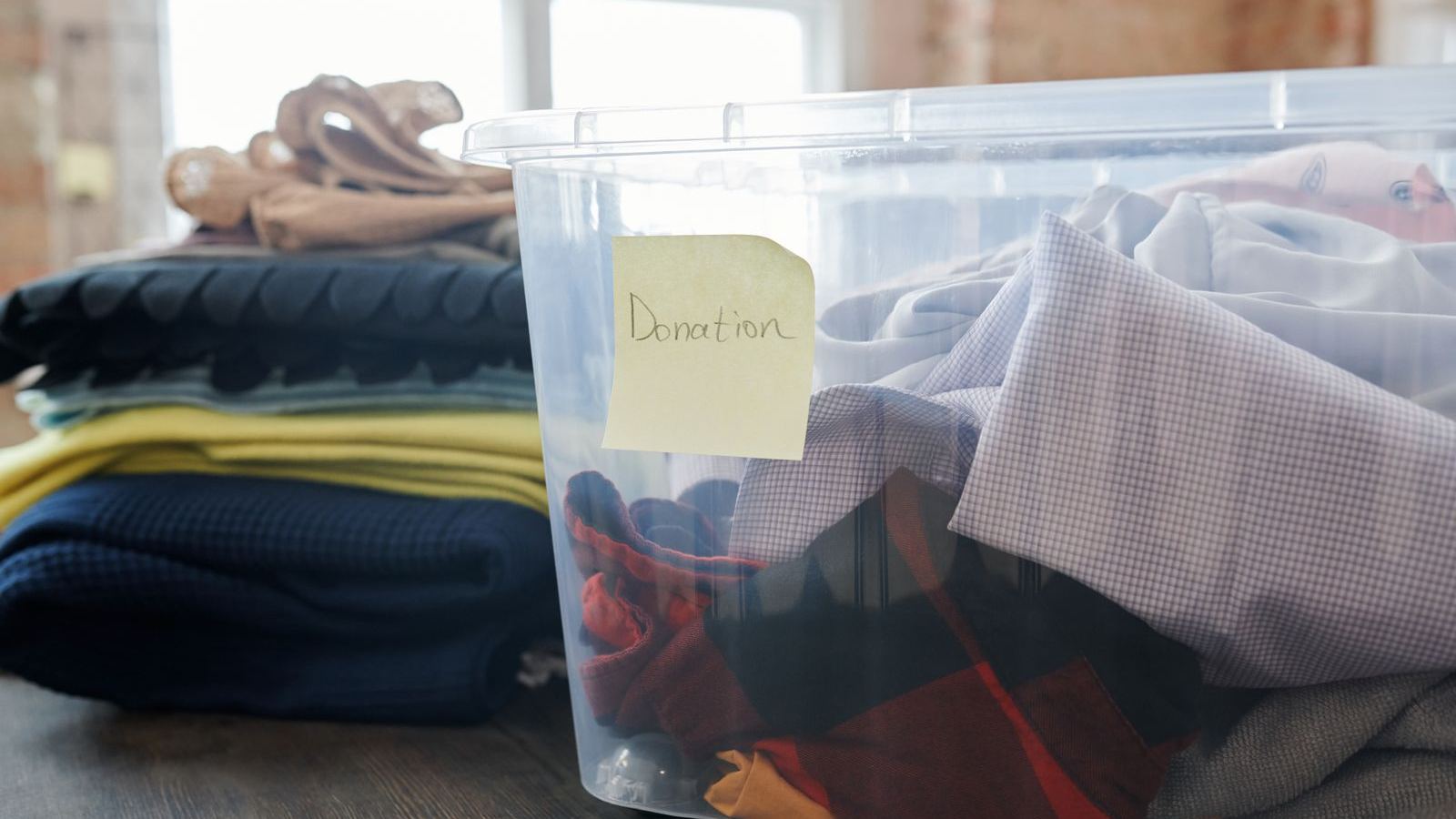
Twice a year, most of us in Canada do the big switch: the parkas and wool sweaters go away and the light jackets come out, or the other way around. Done in a rush, it turns into a pile on the bed and a lost Saturday. Done in steps, it takes an afternoon and makes the next few months of getting dressed easier.
Here's how we'd do it.
1. Pick your moment by the forecast, not the date
The calendar says spring on March 20. Your weather may not agree. Wait for a stretch of a week or two where the temperatures have settled, then switch.
Don't put everything away at once. Keep a few in-between things within reach (a light jacket and a warm one, sneakers and boots) for the weeks when the weather flips back.
2. Clear a space and gather one season
Make room on the bed or the floor. Pull out everything from the season that's ending: coats, knits, boots, toques and mitts, or shorts, sandals and swimsuits. Check the laundry basket, the front closet and the car too.
Seeing it all together shows you what you have, and what you wore most.
3. Clean everything before it goes away
Wash or clean everything you're storing, following the care label. Stains that look small now can set over months in a bin, and clean wool is less tempting to moths than worn wool.
For boots, wipe off the salt and dirt and let them dry fully. For coats that can't go in the washer, check the label or take them to a dry cleaner.
4. Fix it now, not next fall
Look for loose buttons, broken zips, small holes, fallen hems and worn heels. Fix what you can, or put the item in a bag for the tailor or the shoe repair shop.
Next season, you'll open the bin and everything will be ready to wear.
5. Decide as you go, gently
As you handle each thing, ask yourself one question: did I wear this, and do I want it back next season?
- Keep: you wore it and you want it back.
- Put away somewhere else: you're not sure. It goes in its own bag, and you check again next season.
- Pass it on: it doesn't fit your life or your body right now. A friend, a family member, a clothing swap or a donation drop will give it a second life.
This isn't about owning less. It's about bringing back the things you'll actually wear.
6. Store it well
- Breathable containers. Cotton storage bags or bins with a little airflow. Sealed plastic can trap moisture.
- Cool and dry. A closet shelf or under a bed beats a damp basement or a hot attic.
- Fold knits, hang coats. Sweaters stretch on a hanger. Coats keep their shape on a good, wide one.
- Stuff boots with paper so they hold their shape.
- Label every bin with what's inside and where it is. Future-you will be grateful.
7. Bring the new season out and check it
Before everything goes back on the rack, try on the things you're unsure about. Bodies change from one year to the next, and that's normal. Whatever doesn't fit right now goes through the same gentle sort as step 5.
Then look at what's missing. Did your rain boots crack? Is there no light layer for September? Write it down before you go shopping, so you buy what you'll actually use.
8. Update your closet list
If you keep track of your clothes in an app, this is the moment to update it.
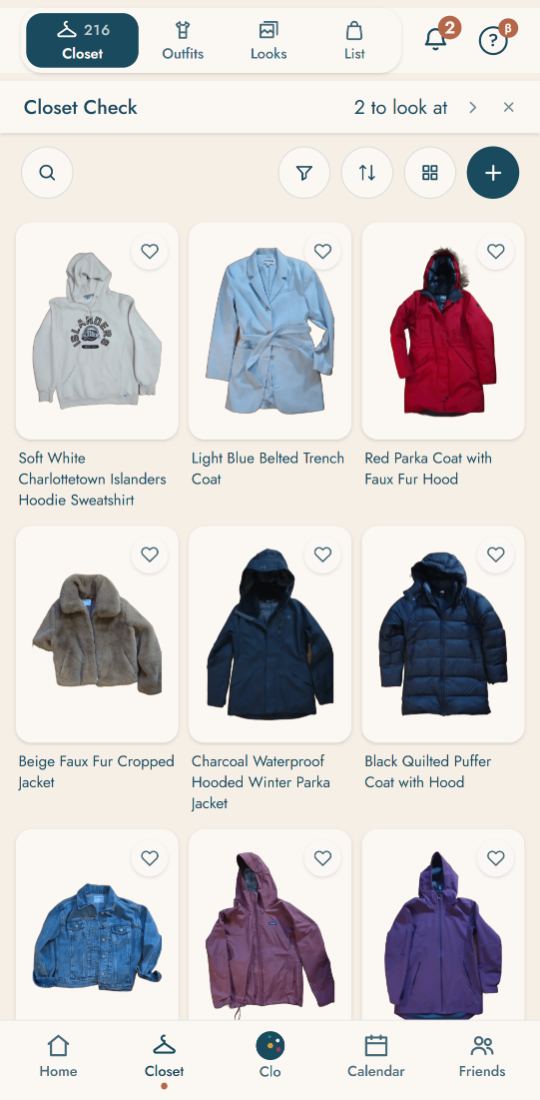
In Closet Cue, the Seasonal swap brings one season's clothes out and puts the other away, and it's free. Every item can have its seasons and where it's stored, so if you note which bin your rain shell went into, you'll find it in seconds come October. The gentle clean-out (keep, put away or let go) is free too, and Closet Check gives you a to-do list for missing prices, sizes and photos while you're at it.
On Pro, Clo, the app's stylist, can show you what's missing for the season ahead.
The short version
Wait for the weather to settle. Gather one season, clean it, fix it and decide gently. Store it cool, dry and labelled. Then try on the new season, note what's missing and update your closet list.