
Whether you're starting high school, college or university, or heading back after a few years away, getting your clothes ready can feel like one more expense on a long list. Tuition, books, rent, a phone bill. Clothes shouldn't eat the budget.
The good news: you probably need less than you think, and you likely own more of it already. Here's a simple way to build a starter closet that works for your real week.
Start with what you already have
Before you buy anything, pull out everything you own and try it on.
- Keep what fits and what you actually like wearing. That's your starting point.
- Ask around. Older siblings, cousins and family friends often have good things they don't wear anymore.
- Note the real gaps. Write them down. A short, honest list is your best budget tool.
Plan for your actual week
Think about a normal week, not a movie version of student life.
- Classes or lectures: comfortable, easy to layer, good for sitting for hours.
- Labs, studios or placements: some programs have dress requirements or safety rules. Check before you shop.
- A part-time job: if it has a dress code, plan for it.
- The gym or a team: a couple of outfits that can handle a sweaty day.
- A night out or an event: one or two outfits that feel a bit dressed up.
- Presentations and interviews: one outfit you feel confident in. You'll use it for co-op interviews, class presentations and job fairs.
A flexible starter list
This isn't a rule. It's a starting point you can adjust to your style, your climate and how often you do laundry.
- Bottoms: 3 to 4 (jeans, trousers, joggers, skirts, whatever you live in)
- Tops: 7 to 10 (enough to last between laundry days)
- Layers: 2 or 3 (a hoodie, a sweater, a cardigan or a zip fleece)
- One dressier outfit: for interviews, presentations and events
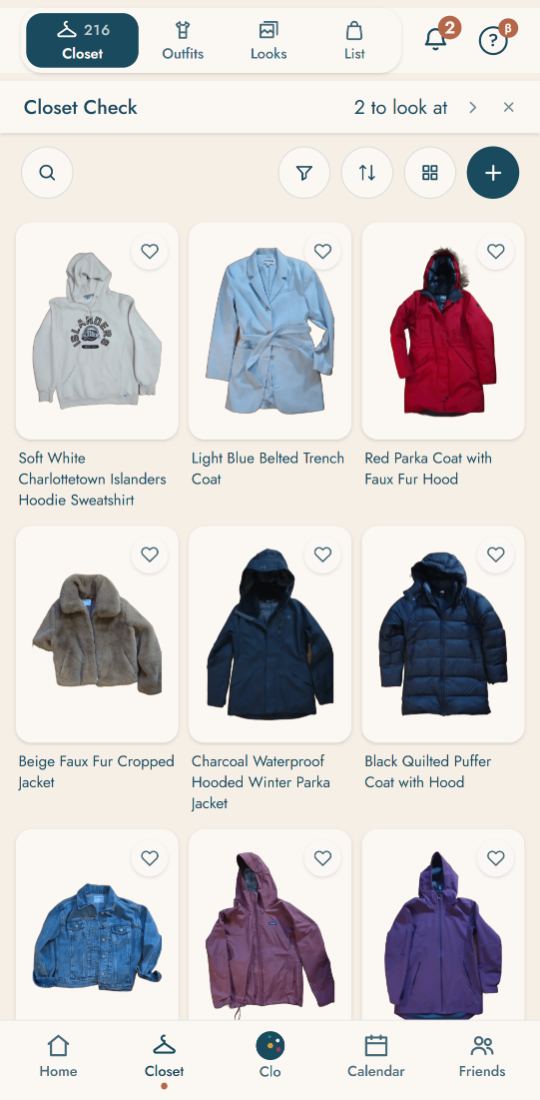
- Outerwear: a rain jacket and, in most of Canada, a proper winter coat
- Footwear: everyday shoes, winter boots, gym shoes and one dressier pair if you need it
- The small stuff: a toque, mitts, a scarf and warm socks
Do the laundry math
How many tops you need depends on how often you'll do laundry. Residence laundry rooms can be busy, and machines often cost money each load. Count the days between laundry days, add one or two spares for spills and surprises, and that's your number. If you'll only do laundry every two weeks, you'll need more underwear and socks than tops.
Pick colours that mix
When most of your clothes go together, a small closet makes a lot of outfits. Choose two or three neutrals you like (navy, grey, black, beige, olive) and add colour with tops and accessories. Now almost every top works with almost every bottom.
Spend in the right order
On a tight budget, put your money where it matters most.
- Winter coat and boots. If you're somewhere cold, these keep you warm walking to class at −20 °C. Worth spending a bit more.
- Shoes you walk in every day. Campuses are big.
- The dressier outfit. You'll need it sooner than you think.
- Everything else. Basics are easy to find second-hand or on sale.
Thrift stores, buy-and-sell groups and end-of-season sales are great for basics and layers. Ask about student discounts wherever you shop.
Make a small space work
Residence closets and shared apartments are rarely big.
- Bring the current season only. Swap your summer and winter clothes on a trip home, like at Thanksgiving or the holidays.
- Use under-bed bins for off-season clothes.
- Hooks on the back of the door hold tomorrow's outfit, a bag and a towel without using the closet at all.
- Slim hangers fit more on a short rail.
Plan outfits so mornings are easy
Early class, no time, roommate in the bathroom. Deciding the night before is the easiest habit to build.
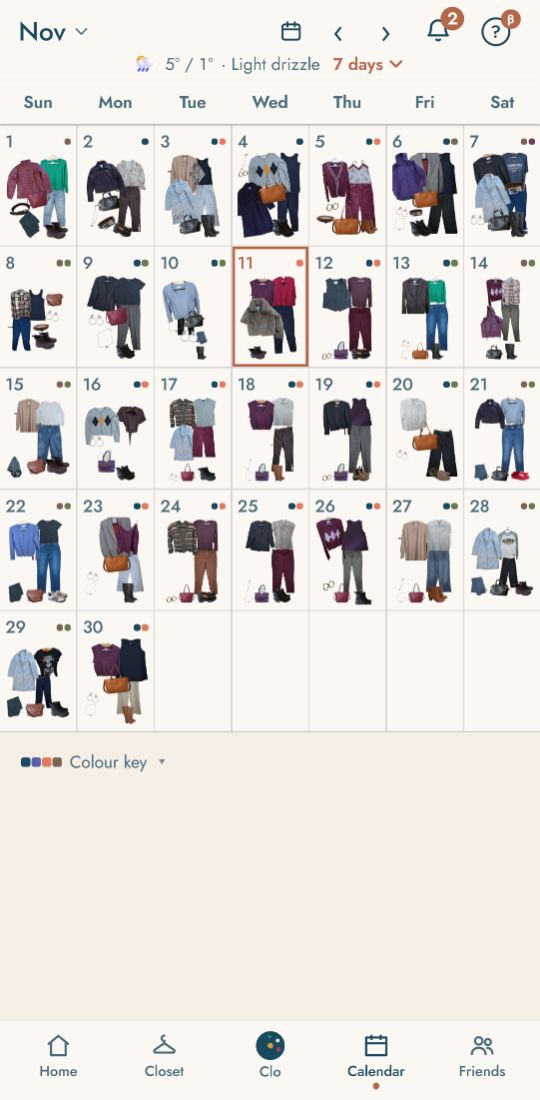
Closet Cue's free version helps with that. It holds your whole closet, with no limit, and puts today's outfit on your screen when you open the app, matched to the local forecast. Your calendar can hold more than one outfit a day (class, then a shift at work) and you can plan up to two weeks ahead for free. Clo, the app's stylist, will also plan a whole month of outfits from your own clothes once on the free version.
For shopping, the free version has one shopping list with up to 30 items, so your gap list lives on your phone, plus an essentials checklist. With Pro, you can put a budget on each list and track a monthly clothing budget.
Watch what you actually wear
After a month, you'll know what you reach for. Cost per wear is the simple math: what you paid divided by how many times you've worn it. The things with the lowest number are your best buys. Closet Cue counts wears and cost per wear for you, and that's free too.
The short version
Start with what you own. Plan for your real week. Pick colours that mix, spend first on a warm coat and good shoes, and fill the rest second-hand or on sale. Decide the night before.